Water is essential for life, and at adidas, we work to promote responsible water management across our supply base by encouraging the continuous reduction of water consumption and supporting the implementation of effective water-saving and conservation practices.
To reduce water withdrawal from natural sources, adidas recognizes the importance of responsible water management and clear reduction targets. in 2020 we set a five-year water intensity reduction target for our global supply chain: reduce the overall water intensity at adidas’ water-intensive Tier 2 production facilities by 40% by 2025 (baseline: 2017; baseline value: approximately 0.0157 m3/US $).
In 2025, we established a new target for 2026+, From 2026, Whether T1 or T2, should achieve 40% water recycling by 2030.
In order to meet our commitment, we carry out many actions, it includes but not limited to:
Water risk assessment across the supply chain:
In 2025, we continually carried out water risk mapping for our Tier 1 and Tier 2 suppliers with the WRI Aqueduct 4.0 tool, which included areas of high-water stress. This helped us to understand the water risks associated with the activities of our local suppliers in their operating areas.
Toward science-based targets for nature:
Honoring our commitment to reducing pressure on nature, in 2025, we completed steps 1 and 2 of the Science Based Target Network (SBTN) framework. The results of steps 1 and 2 will be used as the basis for the next phase of the freshwater target-setting process.
Water data reporting and Third-party verification:
For over a decade, adidas has collaborated closely with our suppliers, ensured our suppliers have installed water meters at workshop level and reported their water consumption data in our internal platform by monthly. All water saving actions and reported data from our suppliers are verified by third-party experts, who also provided advice on further water-saving practices, ensuring compliance with our standards and guidelines on an annual basis.
Continuous technical support:
adidas also offered technical guidance to suppliers, promoting best practices, such as investing in low-liquid ration dyeing machines. recycling cooling water and installing reverse osmosis systems for effluent treatment. To further enhance water efficiency, our Environmental Guidelines outline key actions for water recycling and recovery at supplier facilities. These include rainwater harvesting, zero discharge design, recycling wastewater in production and cooling towers, use of local recirculation systems, reusing and recycling cooling tower blowdown, and minimizing condenser or cooling tower blowdown to prevent dissolved solids buildup. We also engaged third-party experts to conduct on-site visits and provided technical support to suppliers in implementing these measures.
Internal learning and innovation for water management:
In 2025, adidas organized learning sessions with different stakeholders in our supply chain, including one Tier 4 supplier. These sessions focused on exploring innovative solutions, such as advanced recycling systems and digital monitoring technologies, aimed at reducing water impact across the supply chain.
Through our suppliers’ commitment and ongoing improvement of their water management practices, we exceeded our 2025 water intensity reduction target of 40% for Tier 2 suppliers (baseline 2017), achieving a 43% reduction.
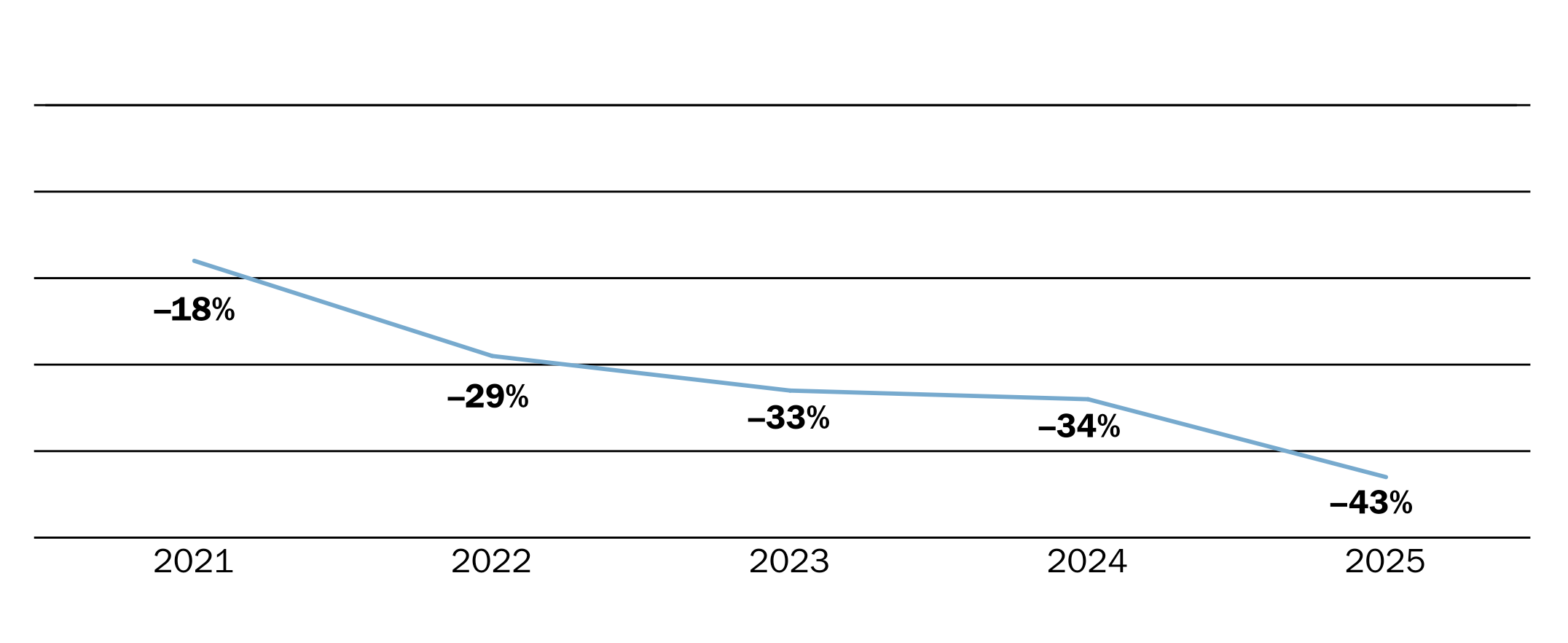
Figure 1 WATER INTENSITY AT TIER 2 PRODUCTION FACILITIES IN % VS. 2017 BASELINE
(The above content is provided by the brand, and the authenticity of the data is the responsibility of the brand)